While there was a surge in new pets in the early years of the pandemic, the data since then shows a downward trend in new patient acquisitions for all age groups. A new white paper from Vetsource digs into the numbers behind pandemic pets and what it means for veterinary practices.
Pet ownership and the demand for veterinary services increased significantly in 2020 and 2021. With that increase, especially in puppies, there has been speculation about a corresponding rise in senior pets beginning in 2027 and 2028. But the data tells a more nuanced story.
The white paper, Where are the pandemic puppies and kittens?, analyzed transactional data from nearly 6,500 practices across the United States, predominantly general companion animal practices. Using datasets from published Vetsource reports, the analysis includes both urban and rural practices, and independently owned practices (55%) as well as those owned by a consolidator (45%).
Pandemic pets by the numbers
Key findings from the report include:
- New puppy/kitten patients peaked in 2021, as did patients in the 1-7 age group, while patients 8 years and older peaked earlier in 2020.
- As of May 2026, year-over-year new puppy/kitten patient numbers have declined by nearly 10%.
- Growth for the 8+ age group has remained relatively stable, hovering near 0%.
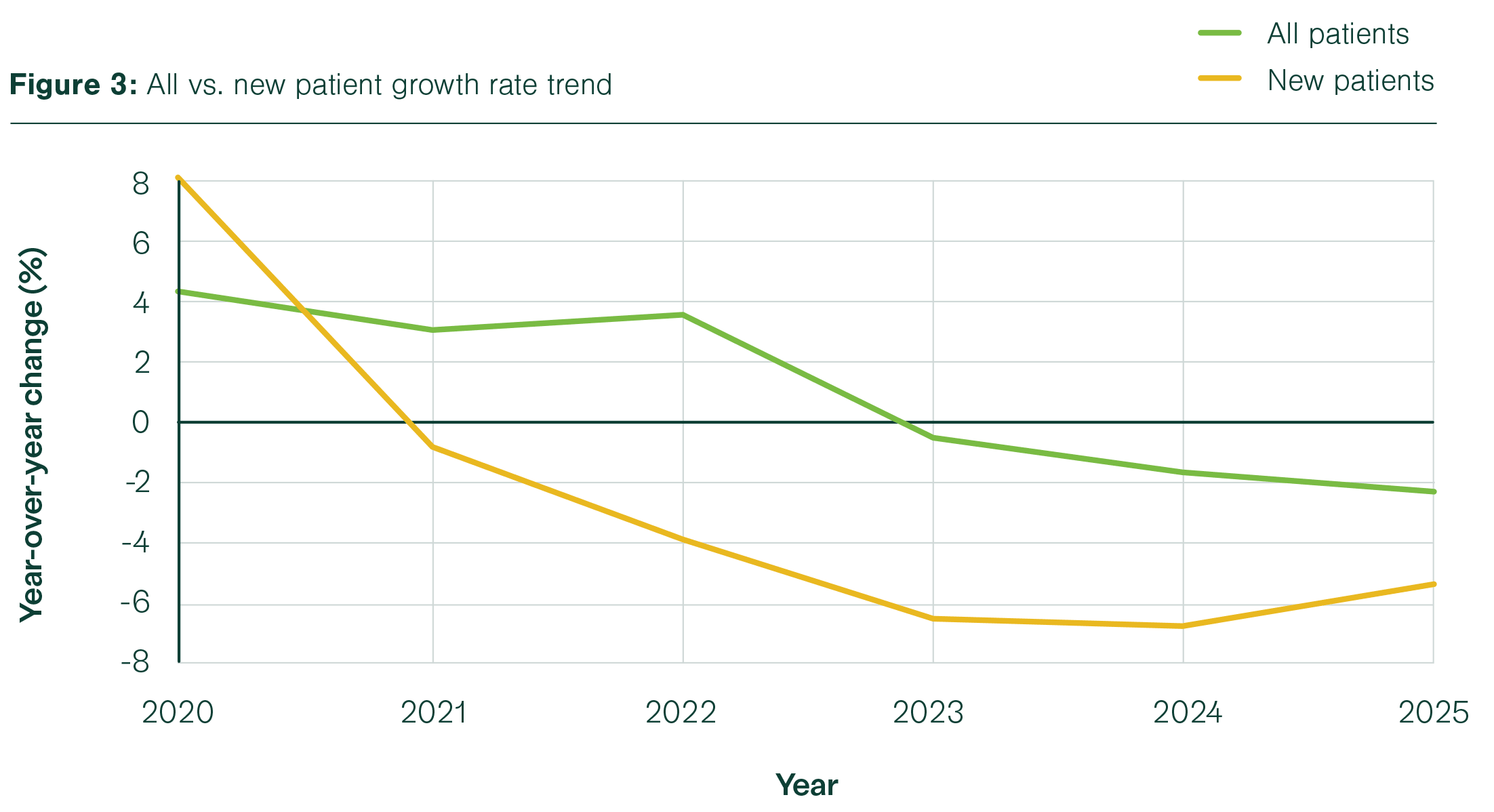
The analysis found that the data doesn’t support the hypothesized wave of aging patients, when looked at in the larger context. Instead, tracking the YoY trends for all patients vs new patients, the data shows that we are not likely to see a rise in senior pets in the coming years from new puppies and kittens that joined the practice during the pandemic. When looking at the total patient population, the patient age cohort has stayed relatively stable, despite the spike in new patients 2020-2022.
What does this mean for practices?
Patient churn (due to lapsing or death) means that the addition of new patients is not increasing the total population of all patients. Steady attrition and a decline in new puppies show that the average veterinary practice is experiencing a net loss in patients.
While pet age demographics are an indicator to future visits for any patient, the reality is practices lose patients due to other macroeconomic factors. Pandemic pets, and new patient acquisition in general, are just one piece of the overall picture of practice health and growth.
The report concludes with recommendations for practices to proactively safeguard their business going forward.